Education
2017 – 2022
Bachelor of Electrical and Computer Systems Engineering (Honours)
Monash University, Australia
Professional Experience
May 2023 – Present
Design Engineer
Axivity Ltd.
Apr 2023 – Sept 2023
Technical Assistant
Monash University
Materials Science and Engineering Dept.
Nov 2020 – Apr 2023
Research Assistant
Monash University
Human Centred Computing (HCC) Dept.
Dec 2021 – Feb 2022
Design Engineer
Monash University
Human Centred Computing (HCC) Dept.
Areas of Specialisation
Product development
Engineering design
Signal processing
Machine learning
Human-computer interaction (HCI)
MAY 2023 – PRESENT
AXIVITY LTD.
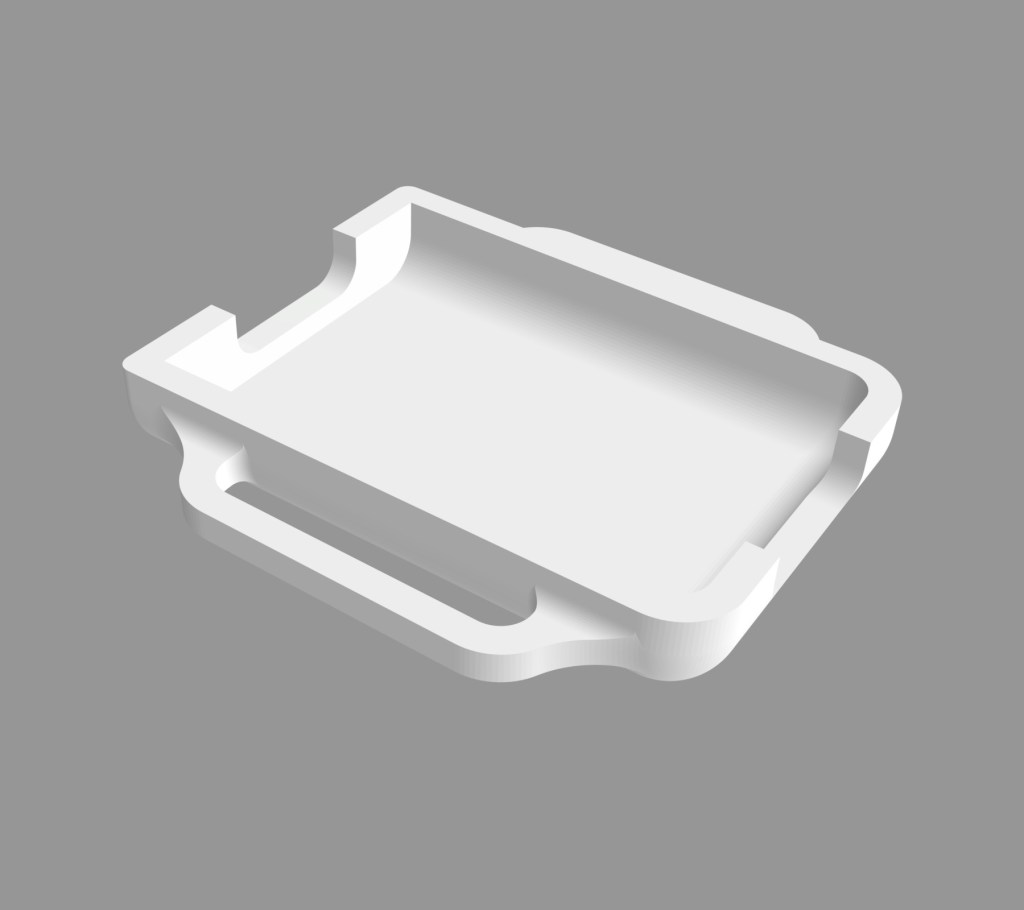
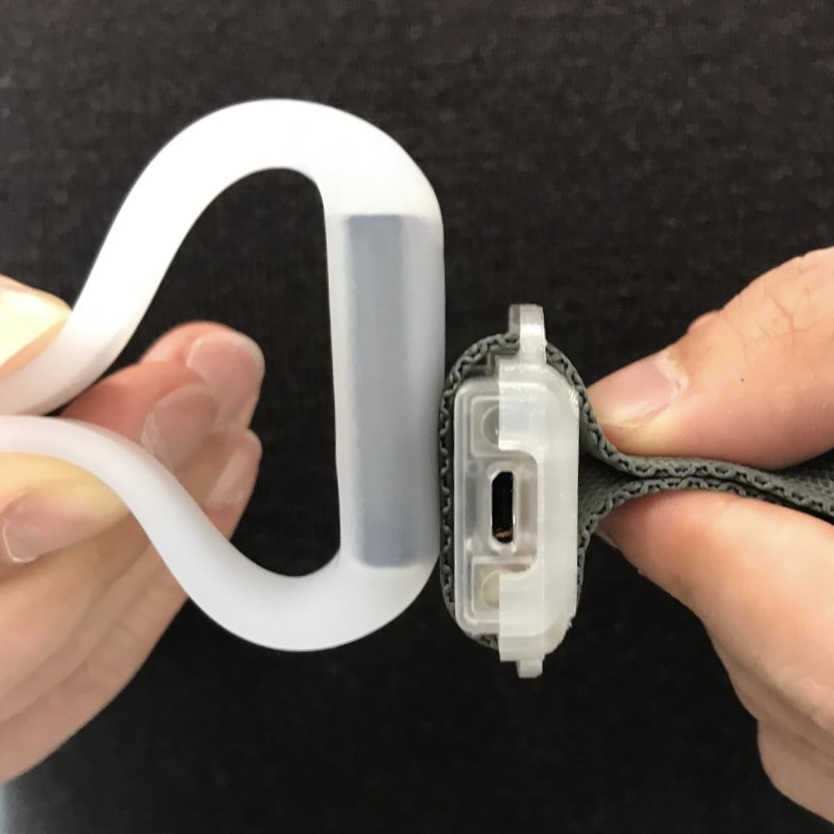
Axivity AX3 Universal Case
Axivity Ltd is the leading supplier of physical activity monitors used by human subjects in clinical, epidemiological and a wide range of other research. The AX3 is their 3-axis accelerometer in form of a small puck that requires a secure method of attachment to its user for reliable data collection.
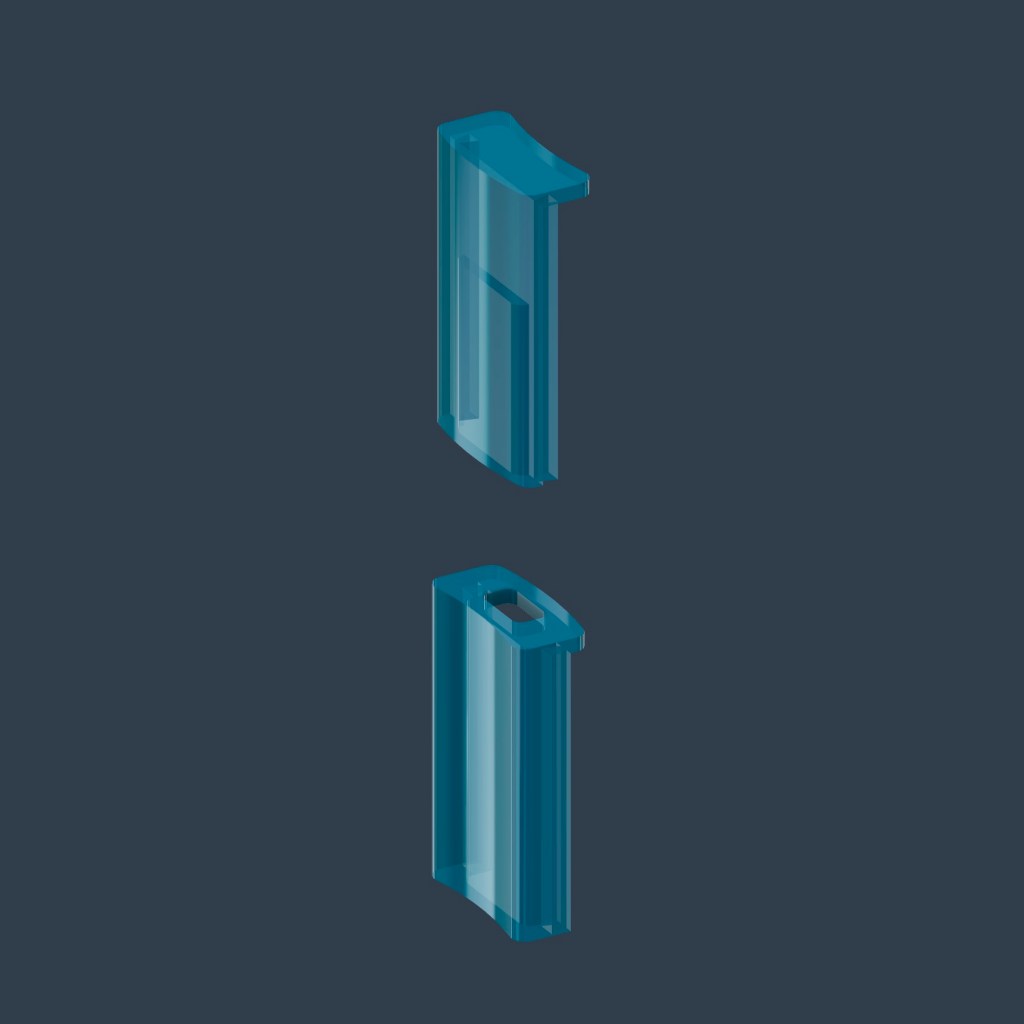
The AX3’s use in a wide study demographic beyond adult humans (eg. infants, animals) has led to demand for a more universal wearable solution. Compared to the existing wrist attachment, my universal design reduced the footprint by approximately half and now allows the puck to be worn virtually anywhere on the body (eg. chest, bicep, etc.).
What I did:
- Designed a universally wearable solution for the AX3 accelerometer puck
- Gathered usage data from end users and stakeholders of the AX3 around the world to develop a thorough design brief
- Produced rapid prototypes with CAD and CAM (FDM 3D printing and vacuum moulding)
- Design optimised for both additive manufacturing and large volume injection moulding
- Worked alongside manufacturing specialist for initial pilot prototype production of 1000 units
APR 2023 – AUG 2023
MONASH UNIVERSITY – MATERIALS SCIENCE AND ENGINEERING DEPT.
Automated Magnetostriction Measurement with Rotation
Magnetostriction refers to the change in dimensions of magnetic materials when they undergo the process of magnetisation. This property is measured by rotating a sample placed between an electromagnet and studying its relationship between the angle of the applied field and the strain observed in the sample (ppm).
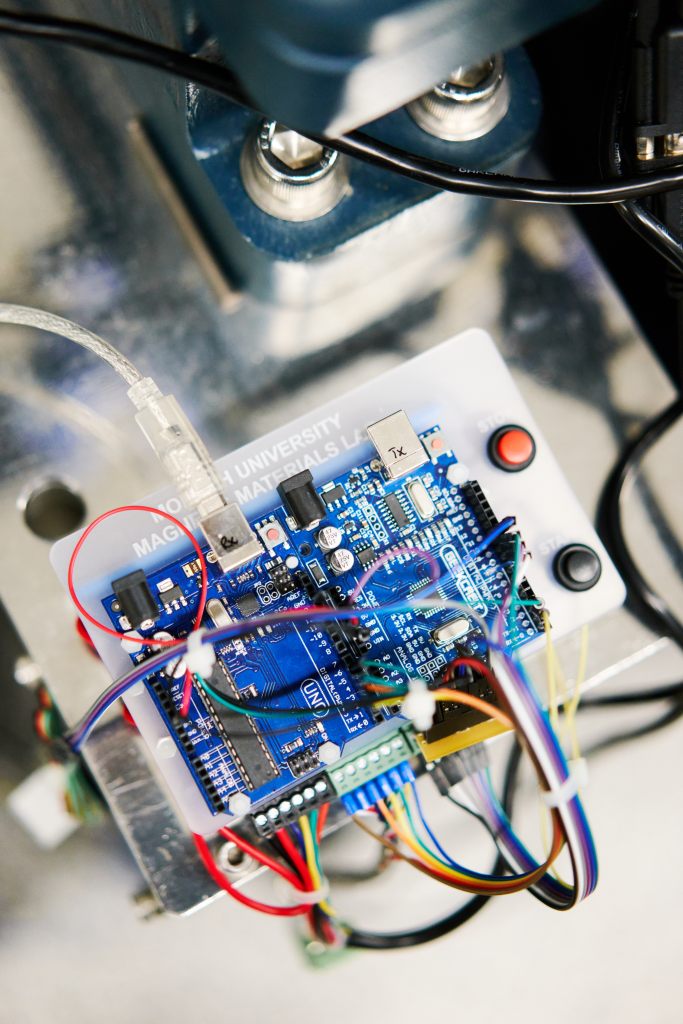
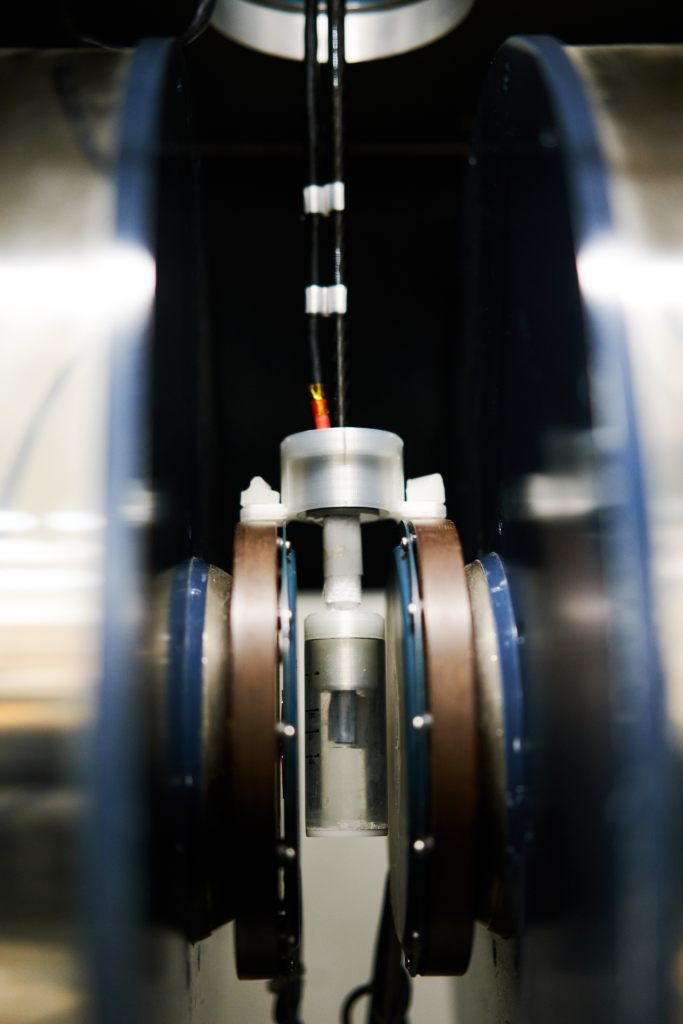
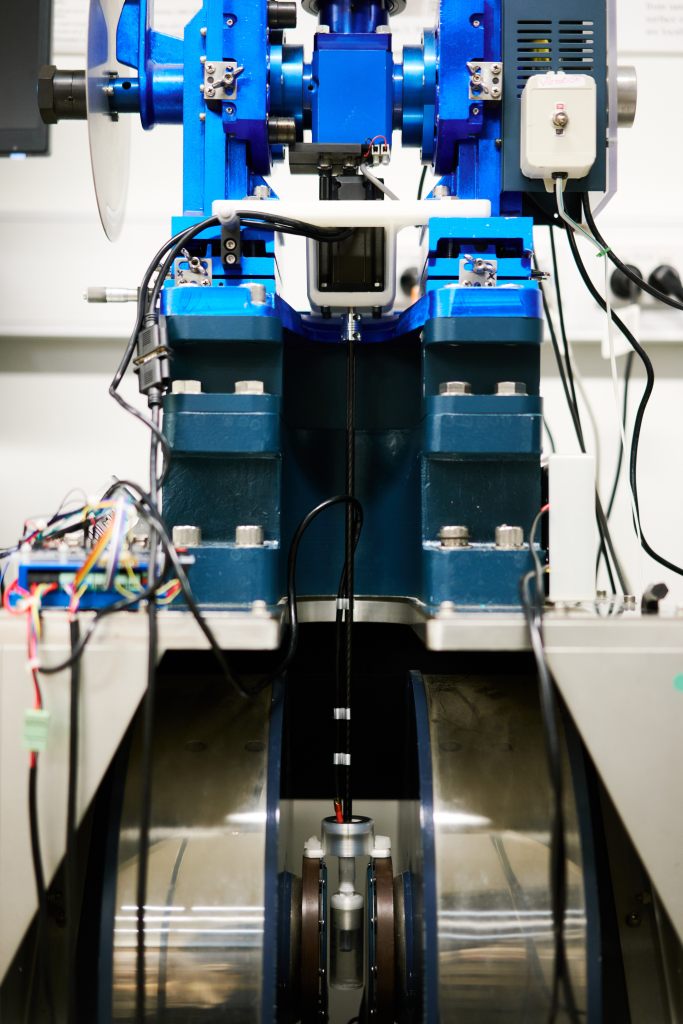
To automate this measurement process, I designed and built a system consisting of a rotating rod assembly and a control unit. The system was designed as a non-destructive install onto an existing commercial vibrating sample magnetometer (VSM).
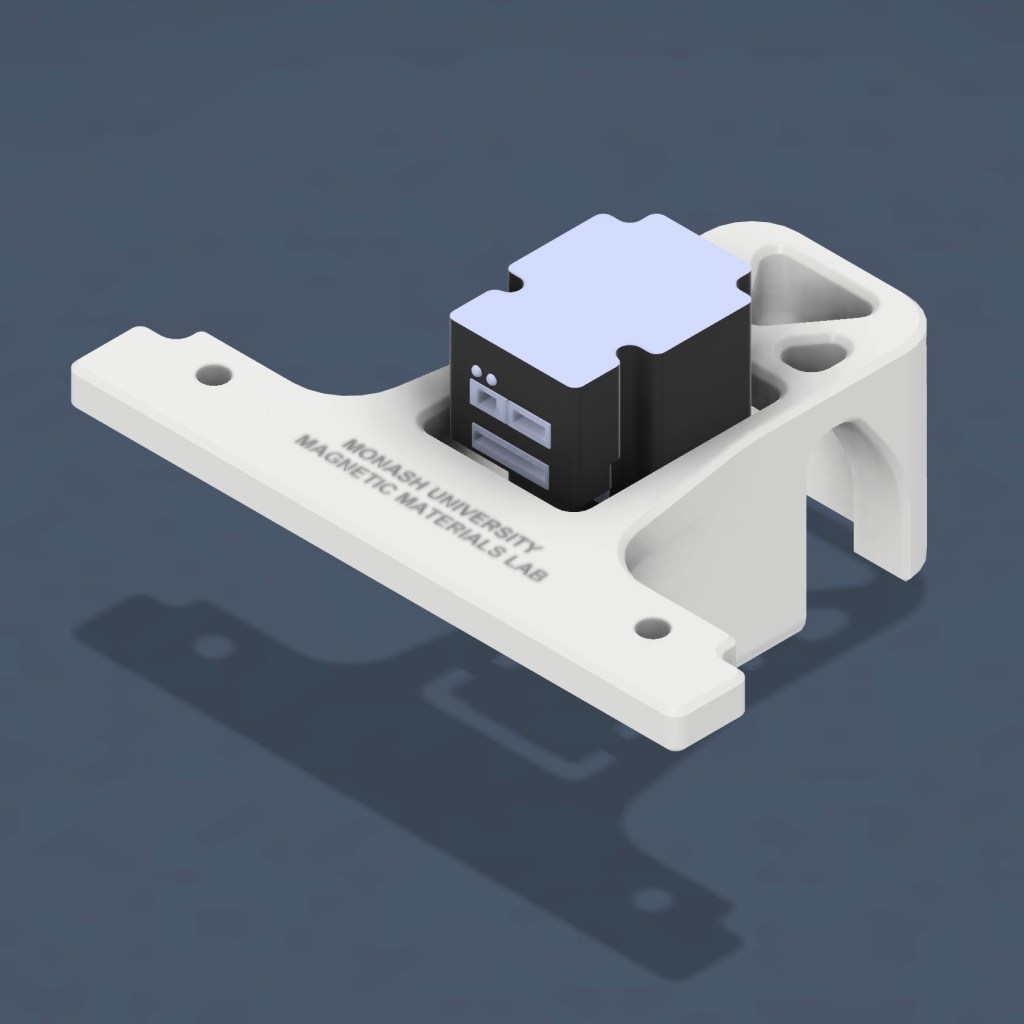
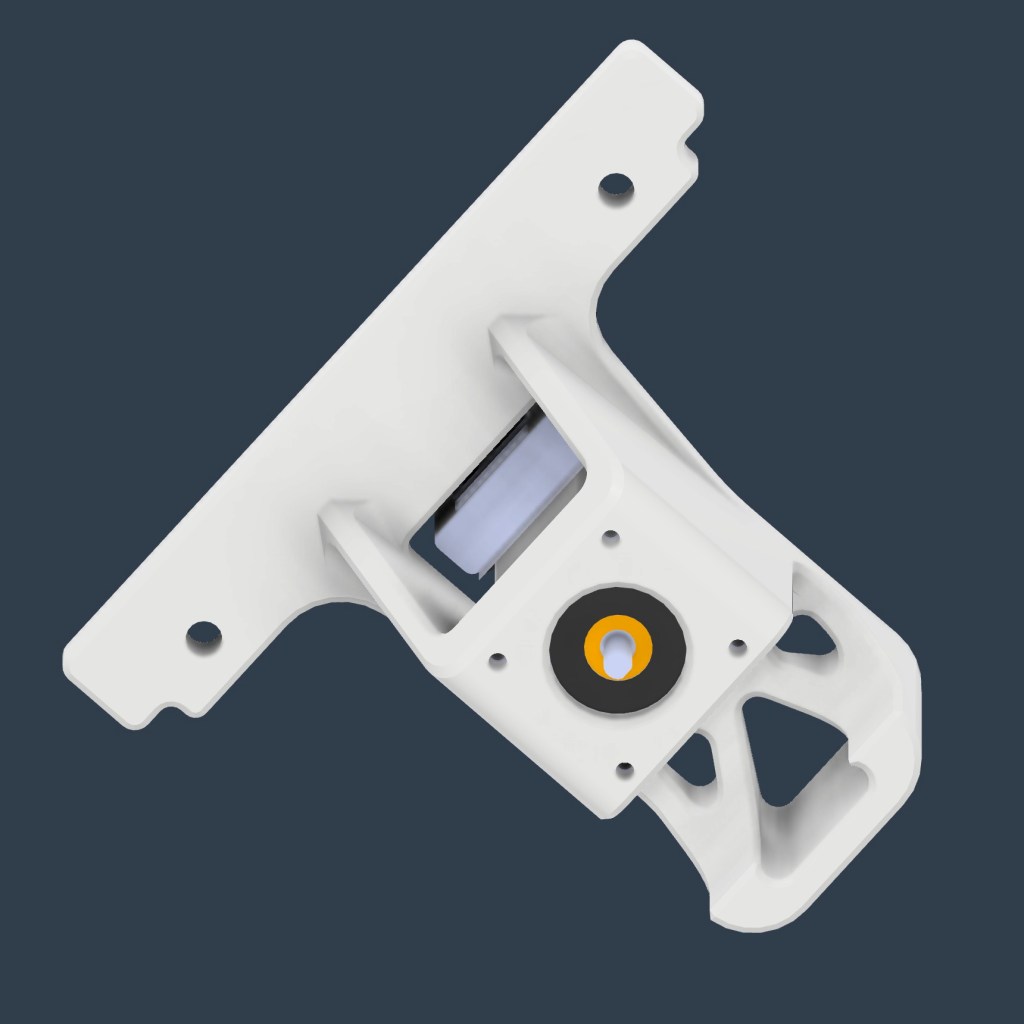
The rotating rod assembly consists of a closed loop stepper motor housed within a 3D printed top bracket. To isolate the effect that the magnetic field from the electromagnet has on the stepper motor coils, the top bracket is mounted at the top of the electromagnet, while a carbon fibre rod telescopes downwards to hold the sample in place between the electromagnet’s pole faces.
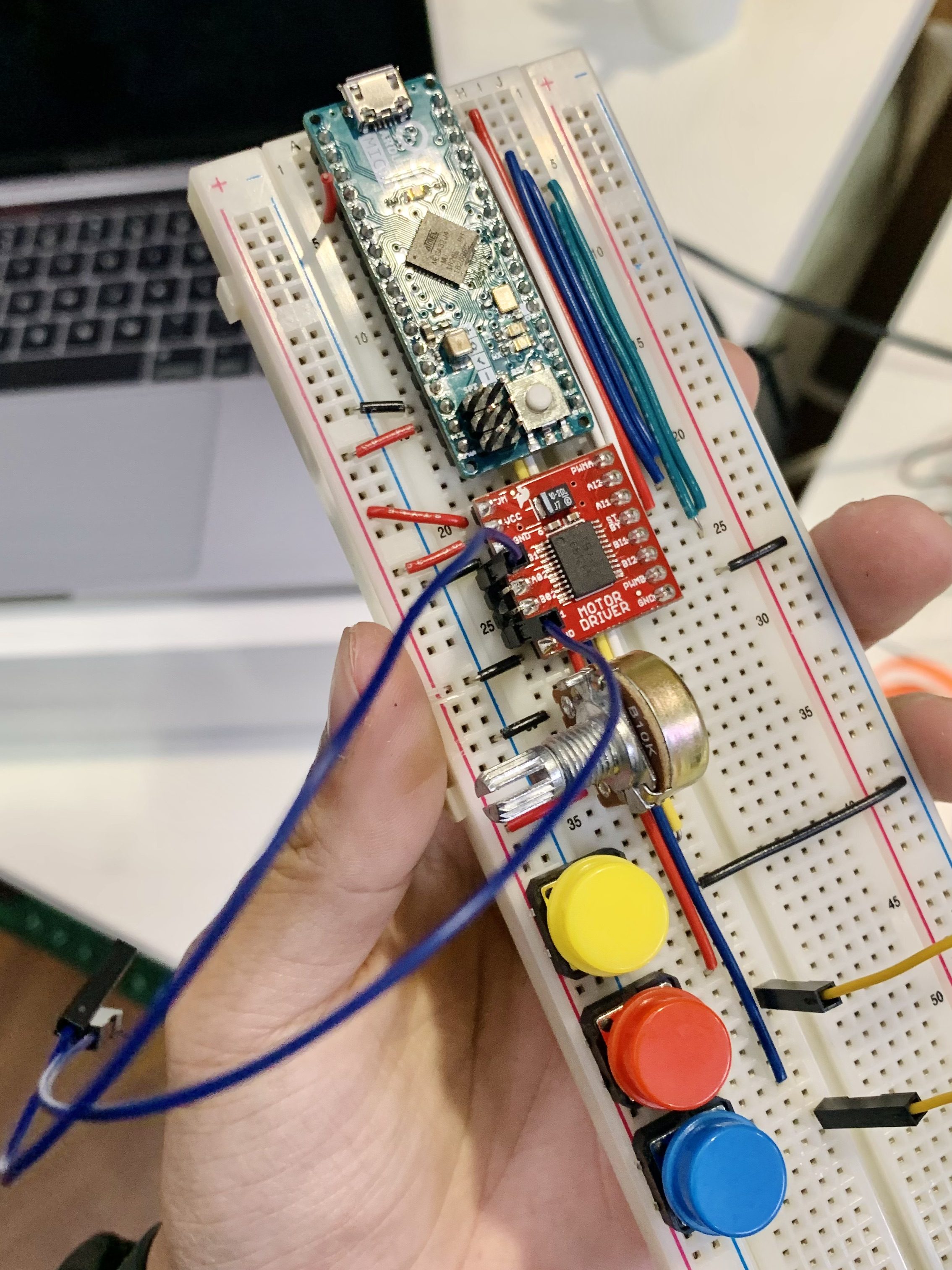
The control unit consists of two Arduino Uno microcontrollers and a closed loop motor driver. All three components of the control unit interact with each other through interrupts and analog (CMOS level) triggers. The system functions as a finite state machine that also sends time-synchronised triggers to other external measurement devices. The control unit’s measurement output is sent in real time to a PC via USB serial and saved in CSV format for further processing post-measurement. Closed loop PID feedback control was tuned specifically for the application and its expected usage.
I wrote in depth documentation on how to install, operate and service the system, alongside recommended methodology to process and visualise acquired measurement data. The system was delivered with extra spare parts alongside an online repository, complete with version history of all hardware prototype 3D models and firmware.
MAY 2023 – JUN 2023
MONASH UNIVERSITY – MATERIALS SCIENCE AND ENGINEERING DEPT.
Magnetic Ribbon Resistance Measurement Device
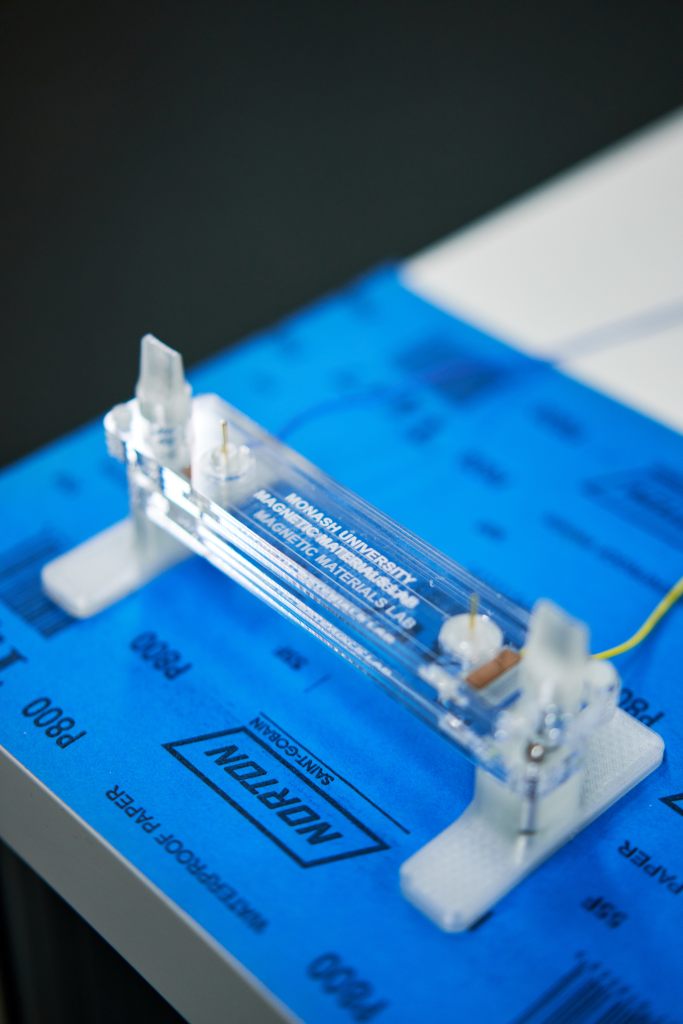
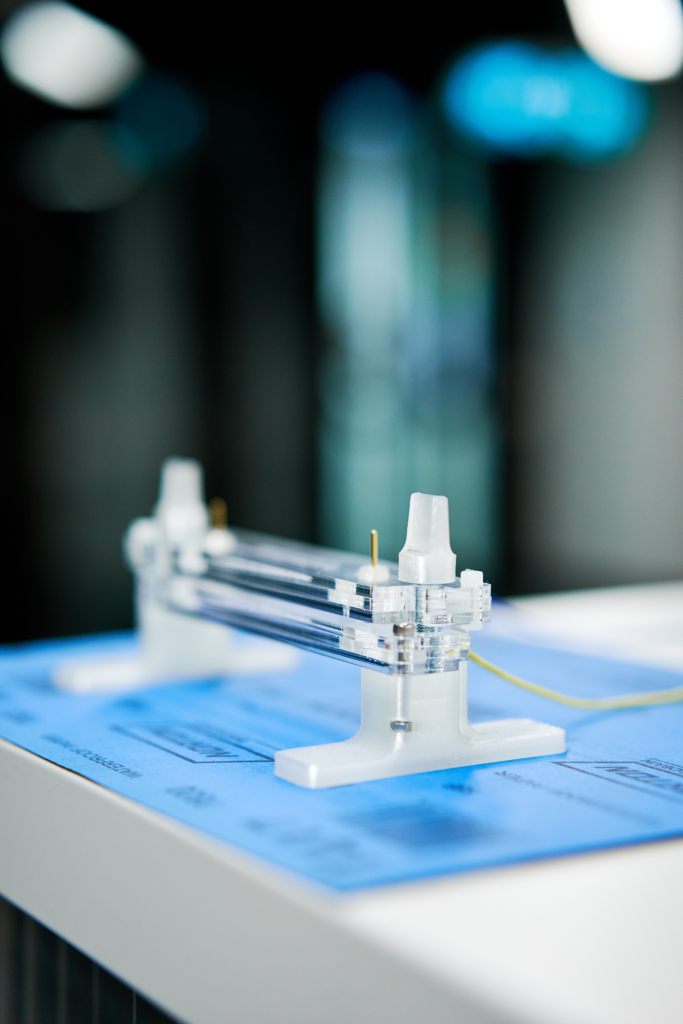
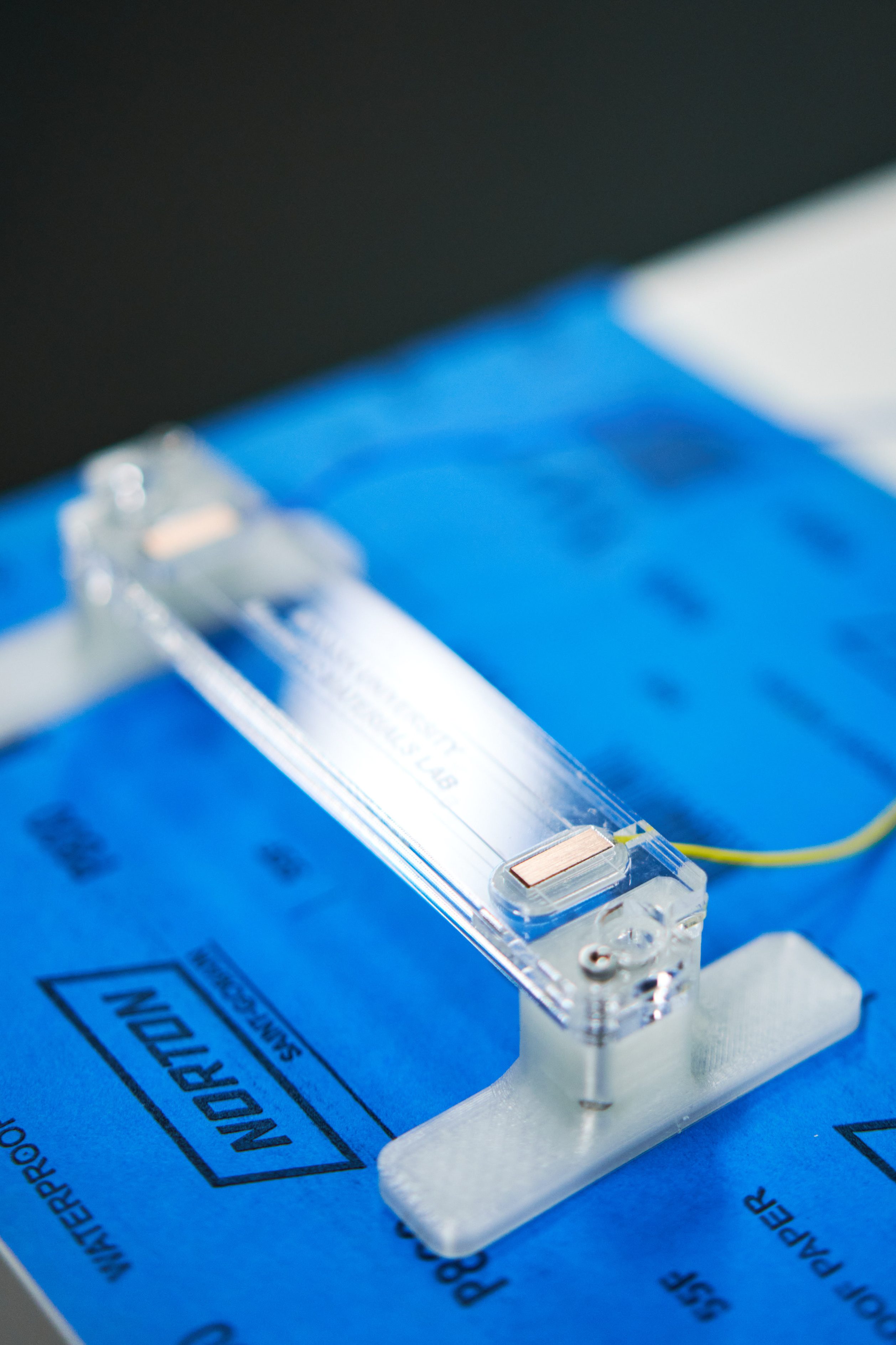
Preparing our ribbon samples is a laborious and expensive process. After the process of annealing, these ribbons become even more fragile and require extreme caution when handling. This device was designed specifically to acquire a resistance measurement with an LCR metre without causing damage to the ribbon.
To ease the sample loading process, where alignment of the sample within the device is crucial, I opted for a clear arcylic sandwich design. Each layer of acrylic is machined by laser cutting, with laser etched guides on the underside to further assist the user. The layers are then fused together with M3 bolts with 3D printed parts such as the feet, bolt thumb grip and spring loaded needle bracket, interference fitted in between acrylic layers or externally attached with fasteners. The copper plates are hand cut from a sheet of copper with a guillotine and given a brushed finish by hand with silicon carbide pads.
MAY 2023 – JUN 2023
MONASH UNIVERSITY – MATERIALS SCIENCE AND ENGINEERING DEPT.
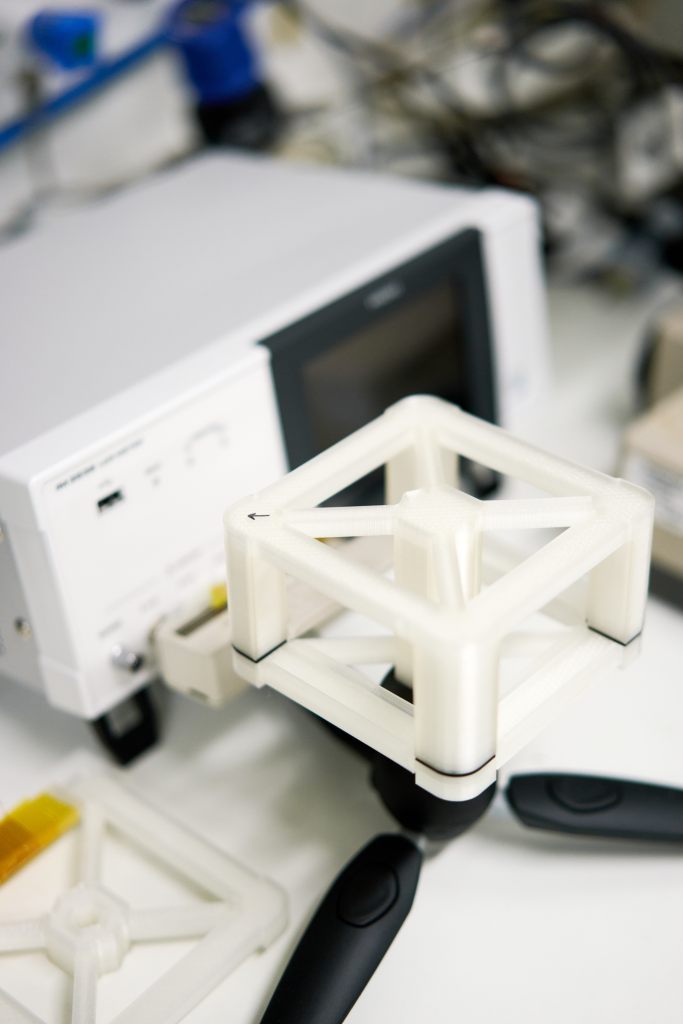
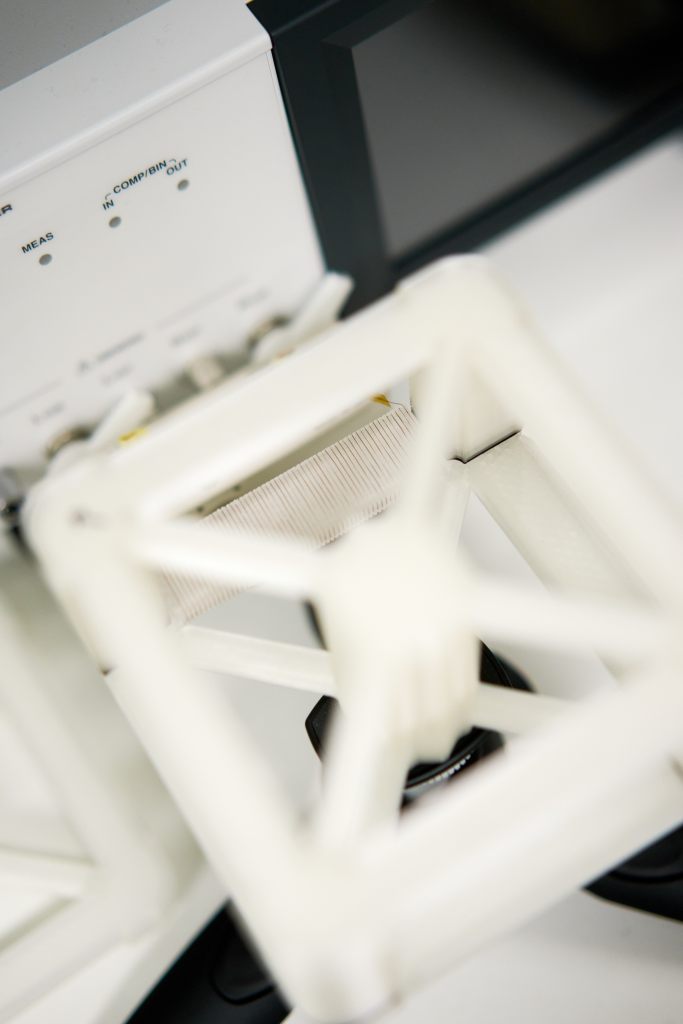
Modified Epstein Frame
An Epstein frame is a standardised measurement device used to measure magnetic properties of soft magnetic materials. Alongside a PhD candidate colleague, we designed and built a non-standard Epstein frame optimised specifically for the measurement of our ribbon samples.
To best optimise the parameters of our Epstein frame for its various measurement applications, I designed a universal base to take parts of different parameters, allowing for the team to put together different permutations of the design without the need to make modifications to the entire design for each parameter change.
This approach also had the added benefit of maximising part yield as the complex parts more prone to manufacturing defects/failures are now manufactured separately from the main body. Parts were manufactured with a combination of fused deposition modelling (FDM) and stereolithography (SLA) and mated to each other with either interference fits or adhesive.
To minimise damage to the fragile ribbons loaded in the Epstein frame, the ribbons sit on a 3D printed surface that was extruded from a smooth glass bed with an intentionally low-levelled nozzle. This allows the surface to exactly replicate the glass bed it was extruded from, thus minimising the amount of surface imperfections. The feet of the top weight used to ensure contact between overlapping ribbons in the 4 corners have also been padded with a thin layer of rubber, laser cut to match the exact profile of each foot and the channel below for a flush fit.
To cancel the effects of Earth’s magnetic field in the measurements, there is a recessed 1/4″-20 nut on the bottom of the Epstein frame for attaching to a commercial ball head often found on photography tripods. This allows the entire Epstein frame to be tilted tangentially to the direction of Earth’s magnetic field.

JAN 2023 – PRESENT
MONASH UNIVERSITY – EXERTION GAMES LAB
GazeAway:
Gaze Aversion Design to Support Remembering
Gaze aversion refers to the act of one redirecting their gaze away from their subject of focus to a less visually interesting area in their environment, thereby decreasing their cognitive load. It is considered common human behaviour used to support every day remembering.
GazeAway is a device that offers its wearer an on-demand visual area for gaze aversion when they are detected to be in a process of remembering. It uses eye tracking technology for detection and a servo operated rig that swings a display in and out of the user’s field of vision.
My role in this project was to briefly assist in the design and production of the early hardware prototypes.
SEP 2022 – JAN 2023
MONASH UNIVERSITY – EXERTION GAMES LAB
SoundScoop:
Evaluating Gustosonic Experiences with Interactive Ice Cream
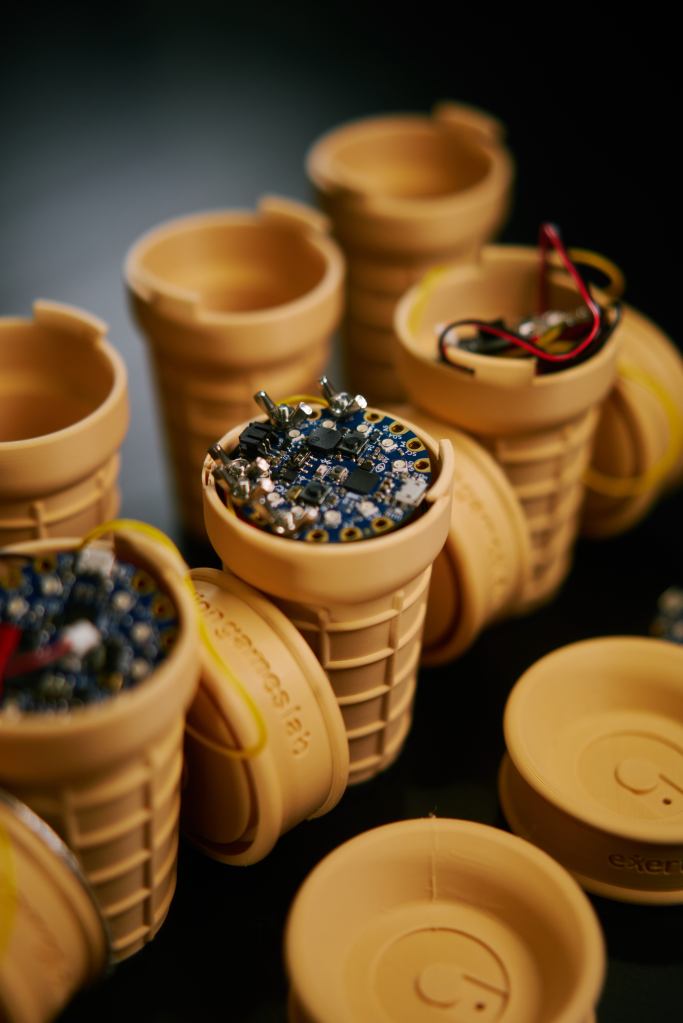
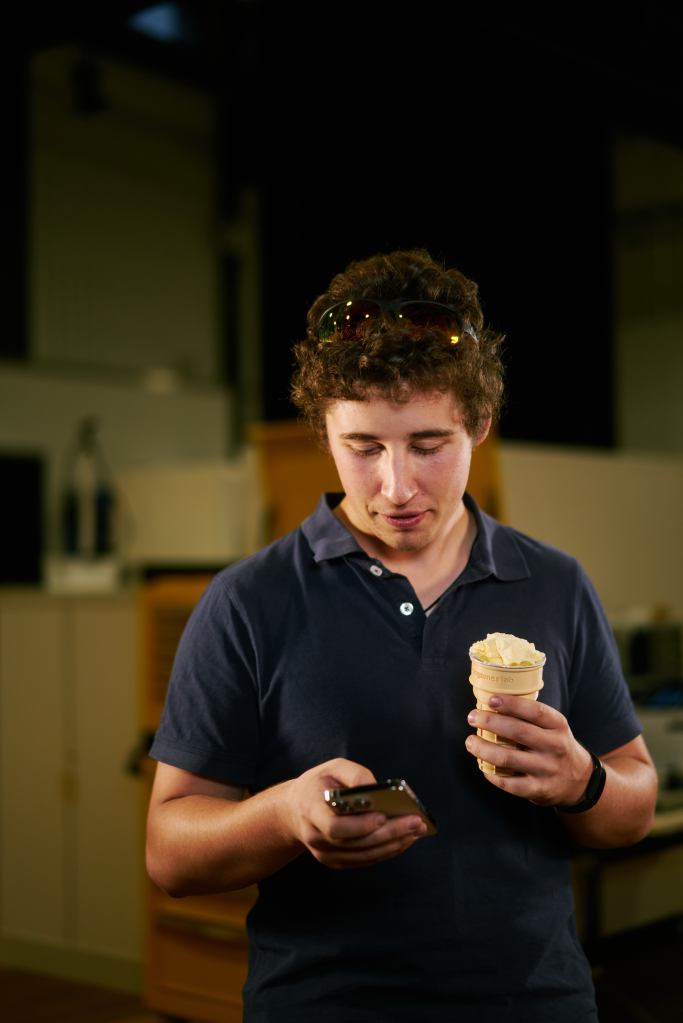
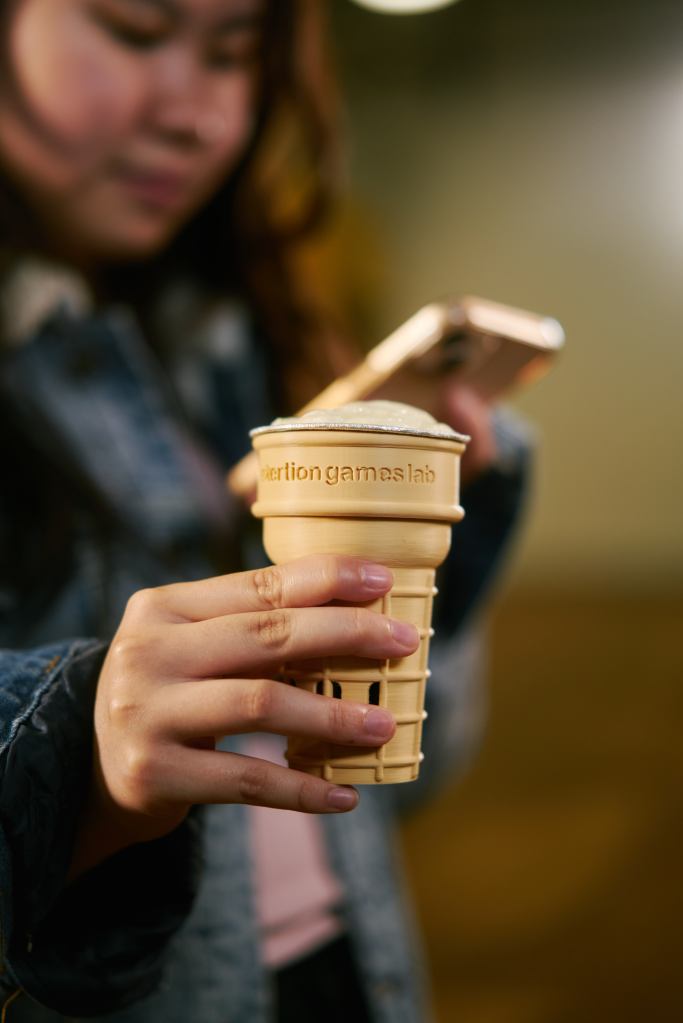
SoundScoop is an interactive ice cream cone that delivers auditory feedback every time its user licks its contained ice cream. Electronics within the ice cream cone measures capacitance of the contained ice cream, which changes every time the user’s tongue is in contact with the ice cream. When a ‘lick’ was detected, a speaker within the ice cream cone plays a programmed sound, completing the interactive experience.
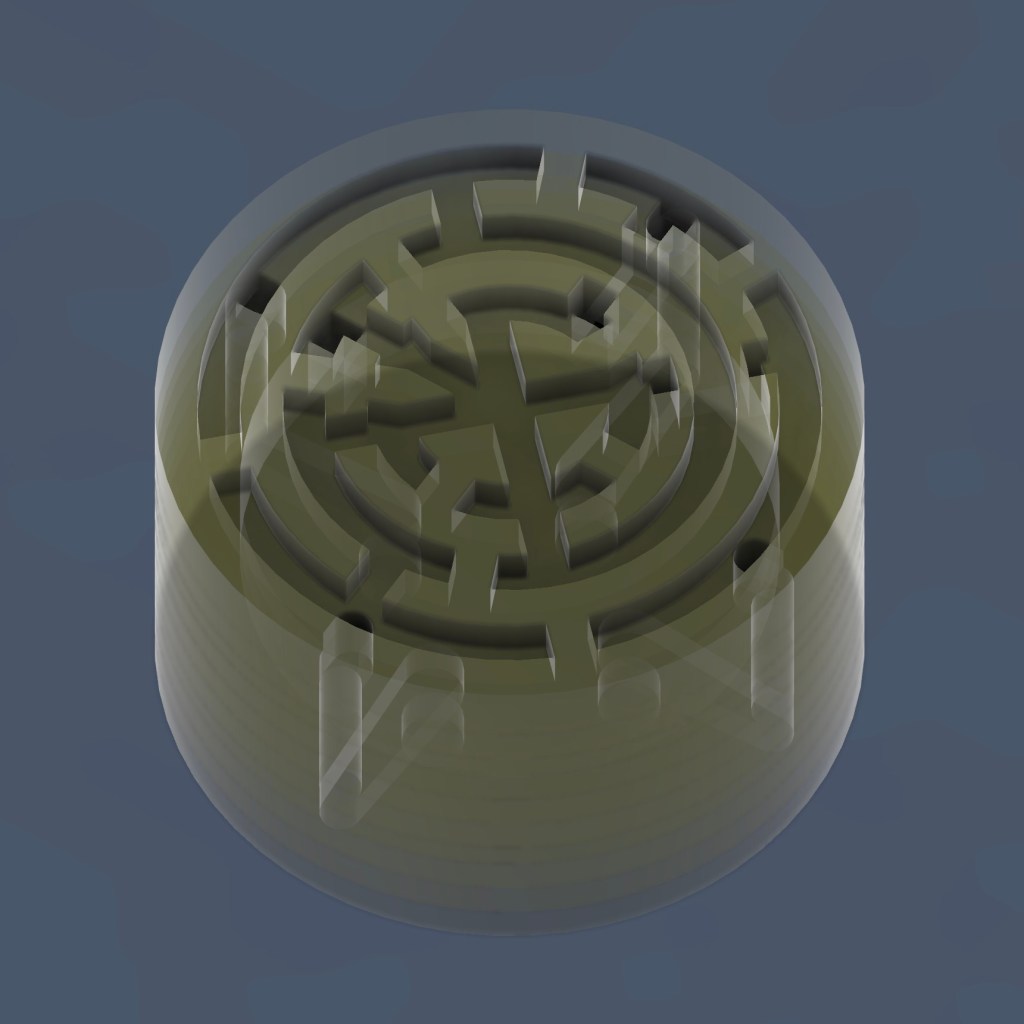
The ice cream cone serves as a technology demonstrator for a toolkit that can be carried across different food items and crockery, think a screaming wine glass, with its full potential to be harnessed by the creativity of artists behind the food and beverage industry.
My main technical requirements and challenges were ensuring the system:
- Works across different types of ice cream and environments
- Was housed in an enclosure that resembles the size and proportions of an ice cream cone
- Met food safety requirements and can be quickly disinfected to be cycled between multiple demonstration sessions
- Had sufficient battery capacity to be left switched on for multiple demonstration sessions
- Delivered sound loud enough to be heard within a crowded venue (most conferences in attendance)
- Was water resistant to prevent damage to electronics and danger to users
What I did:
- Using CAD and 3D printing, iteratively designed the enclosure to meet all above requirements
- Iteratively designed the electronics to meet all above requirements
- Manufactured and assembled 20 working units and 3 working prototypes
- Presented my work to F&B industry leaders at an industry conference
- Exhibited the project for Monash University’s 2023 Open Day
- First authored a paper for CHIO 2023 LBW (pending acceptance)
The project was an extension of a CHI 2019 Interactivity paper, where my esteemed colleagues explored and published the social aspects of this project. I was contracted by the lab to transform the proof of concept into a finished, fully working system.
SEP 2022 – DEC 2022
PERSONAL PROJECT
Focus Synchronised Anamorphic Capture with Rangefinding
This is a personal passion project of mine that intersects my love of engineering and cinematography.
Anamorphic lenses are specialty tools which affect how images get projected onto the camera sensor, favoured by cinematographers for their unique look. Generally, anamorphic lenses are made up of two optical blocks, the front block responsible for the anamorphosis and the rear block is a regular spherical lens, also referred to as the taking lens.
When using non-integrated anamorphic lenses, the focus distance of both lenses need to be synchronised by focusing both optical blocks separately, which can be difficult to perform on set. The current solution involves focusing both lenses to infinity, and using a variable diopter for the actual focusing. This solution requires large, expensive optical glass that also degrade image quality.
I explored the synchronisation of both optical blocks through the use of custom 3D printed gears, rotary encoders, servo motors and a microcontroller. Additionally, time of flight and ultrasonic sensors are used to add rangefinding functionality to aid the camera operator in pulling focus. If well implemented, the rangefinder could provide basic centre point auto focus functionality.
This project has been temporarily suspended due to work commitments.
JUN 2022 – AUG 2022
MONASH UNIVERSITY – EXERTION GAMES LAB
Fluito:
Virtual Reality Floatation Tank Game Experience
Floatation tanks allow users float in a lying position by using salt water that is extremely buoyant. A session in a floatation tank have been proven to provide sensory deprivation, stress relief, relaxation, and other health benefits.
This project implements a relaxing game experience with virtual reality (VR) and actuators placed throughout the floatation tank as haptic game feedback.
What I did:
- Programmed a microcontroller with a low latency wireless connection to the VR headset to actuate feedback pumps following game design
- Designed analogue circuits needed to drive the feedback pumps
- Liaised with and advise game designer on choice and location of different types of feedback pumps
- Using CAD and 3D printed parts, ensured the system meets safety and ethics requirements for electronics near a water source
The project was accepted for CHI PLAY 2022 Work In Progress (WIP), CHI 2023 Interactivity, DIS 2023 and CHI PLAY 2023 as a long paper.
Read our long paper preprint here:
Fluito: Towards Understanding the Design of Playful Water Experiences through an Extended Reality Floatation Tank System
JUL 2021 – JUL 2022
MONASH UNIVERSITY – UNDERGRADUATE HONOURS THESIS
Digital Data Storage on Synthetic DNA with Machine Learning
Deoxyribunucleic acid (DNA) is a molecule that contains all genetic information required to build and maintain an organism. DNA has a very high information density (215 petabytes per gram), hence there are compelling reasons to store digital data on artificially synthesised DNA. However, reading information from synthetic DNA is a noisy and stochastic process that reduces reading accuracy.
What I did:
- Performed literature review on synthetic DNA storage and existing solutions
- Implemented basecaller models to generate training and testing data
- Designed neural network optimised for decoding efficiency
- Performed testing and compared against existing implementations
- Network outperformed existing network developed by the research team at the university
This project was conducted as part of my honours thesis during the final year of my undergraduate. I was awarded a distinction grade.
Read my undergraduate thesis here:
Ryan Wee – Digital Data Storage on Synthetic DNA with Machine Learning
NOV 2021- FEB 2022
MONASH UNIVERSITY – EXERTION GAMES LAB
Self Playing Games with Electrical Muscle Stimulation
Electrical muscle stimulation (EMS) elicits (involuntary) muscle contraction using electric impulses. The impulses are generated by a device and are delivered through electrodes placed on the skin near the target muscles.
This project explores the novel idea of playing ‘hand games’ such as rock paper scissors with oneself. One hand of the player would be actuated by EMS and the other would be the ‘playing’ hand. Through sensors, EMS electrodes and game design, the player can play against the ‘computer’ while essentially playing against themselves.
What I did:
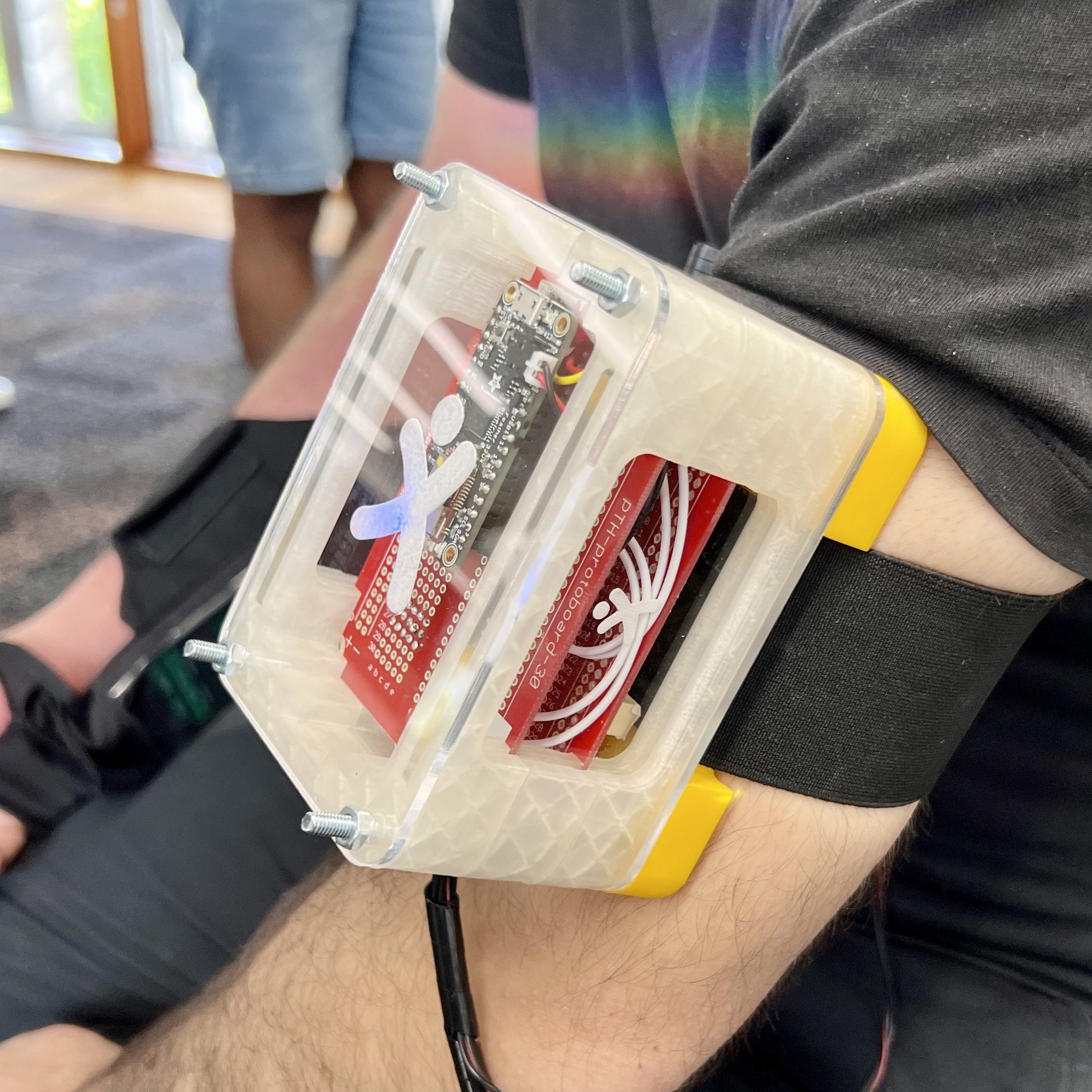
- Designed (CAD) a wearable enclosure to securely contain the electronics and microcontroller capable of resisting significant accelerative forces during gameplay, yet with transparent panels to showcase internals
- Produced (FDM and laser cutting) and assembled multiple prototype enclosure and its electrical components to deliver to testing participants
- Engineered a solution to miniaturise and add programmability to a TGA approved medical device
My work in this project is a continuation of a CHI PLAY Work In Progress (WIP) 2021 paper (linked above) and this project was later accepted for CHI PLAY Doctoral Consortium (DC) 2022. The project was also presented at Monash University’s Open Day. My design has also been replicated by the Craft Tech Lab at the University of Colorado Boulder as part of their research.
DEC 2021 – FEB 2022
MONASH UNIVERSITY – ACTION LAB
United States National Institutes of Health (NIH):
HEALthy Brain and Child Development Study (HBCD)
The United States National Institutes of Health (NIH) is the primary Federal agency for conducting and supporting medical research within the country. The HEALthy Brain and Child Development Study (HBCD) run by the NIH covers research to better understand brain development, beginning in the perinatal period, and extending through early childhood, including variability in development and how it contributes to cognitive, behavioral, social, and emotional function.
Monash University partnered with the University of Southern California (where the study was conducted) to design a sensor, worn by an infant, to collect activity data. 624 units of my design were produced in total.
What I did:
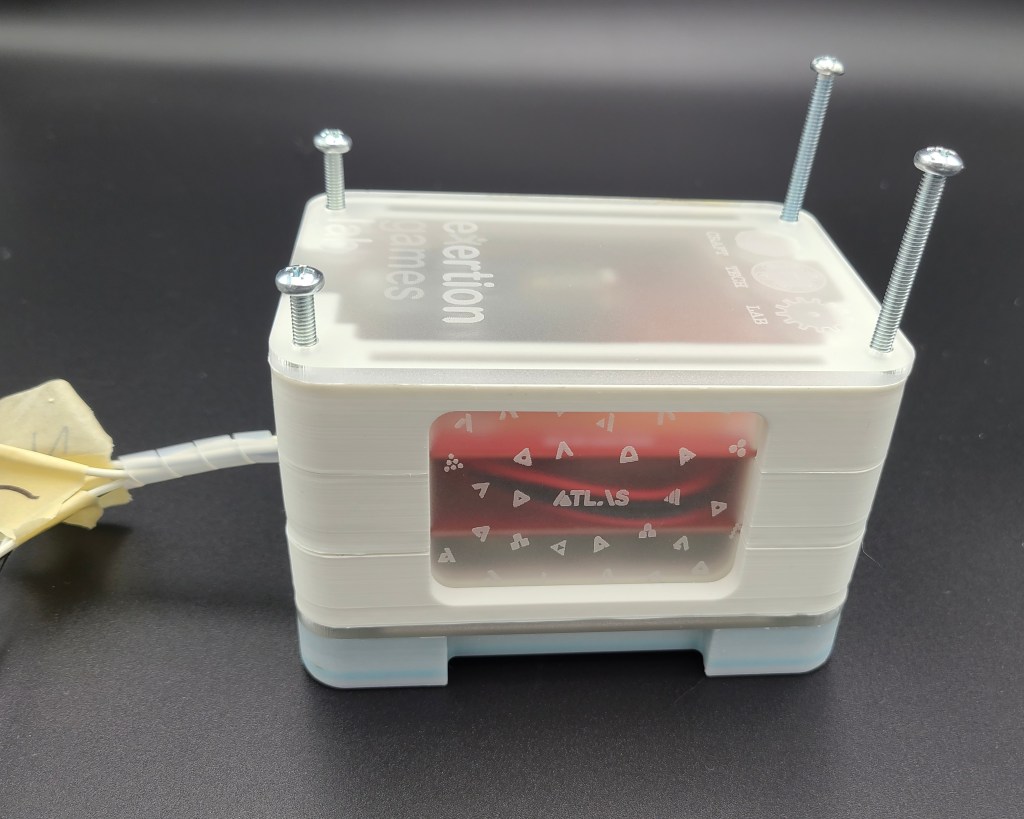
- Designed the enclosure to house sensors that gathered activity data, compliant with US Consumer Products Safety Commission Standards for use around infants
- Gathered region-specific paediatric limb measurement data to optimise wearing comfort
- Ensure enclosure allowed for easy sensor and I/O port access for researchers
- Optimised design for minimum FDM print time
- Liaise with remote manufacturer and ensured parts were delivered within timeframe and specification
JUN 2021 – JUL 2021
MONASH UNIVERSITY – EXERTION GAMES LAB
Novel Eating Experiences with Edible Supercapacitors
Supercapacitors are energy storage devices with higher storage capacity than traditional electrolytic capacitors but lower discharge voltage, thereby bridging the gap between regular capacitors and rechargeable batteries. Researchers at Arizona State University (ASU) have successfully produced a rudimentary edible supercapacitor. Meanwhile, researchers have also found ways to induce different sensations and taste through the discharge of ultra low amounts of current on one’s tongue.
This projects seeks to combine works from both ideas, and apply them towards a novel eating experience.
What I did:
- Conducted literature review surrounding (edible) supercapacitors and current discharge on human tongues
- Developed a program to test and demonstrate the functionality of our prototypes
- Worked alongside a project partner remotely to develop prototypes
- Delivered a presentation of our work to HCI PhD students at Monash University
NOV 2020 – FEB 2021
MONASH UNIVERSITY – EXERTION GAMES LAB
Logic Bonbon:
Exploring Food as Computational Artefact
In recognition of food’s significant experiential pleasures, culinary practitioners and designers are increasingly exploring novel combinations of computing technologies and food. However, despite much creative endeavors, proposals and prototypes have so far largely maintained a traditional divide, treating food and technology as separate entities. In contrast, we present a “Research through Design” exploration of the notion of food as computational artifact: wherein food itself is the material of computation.
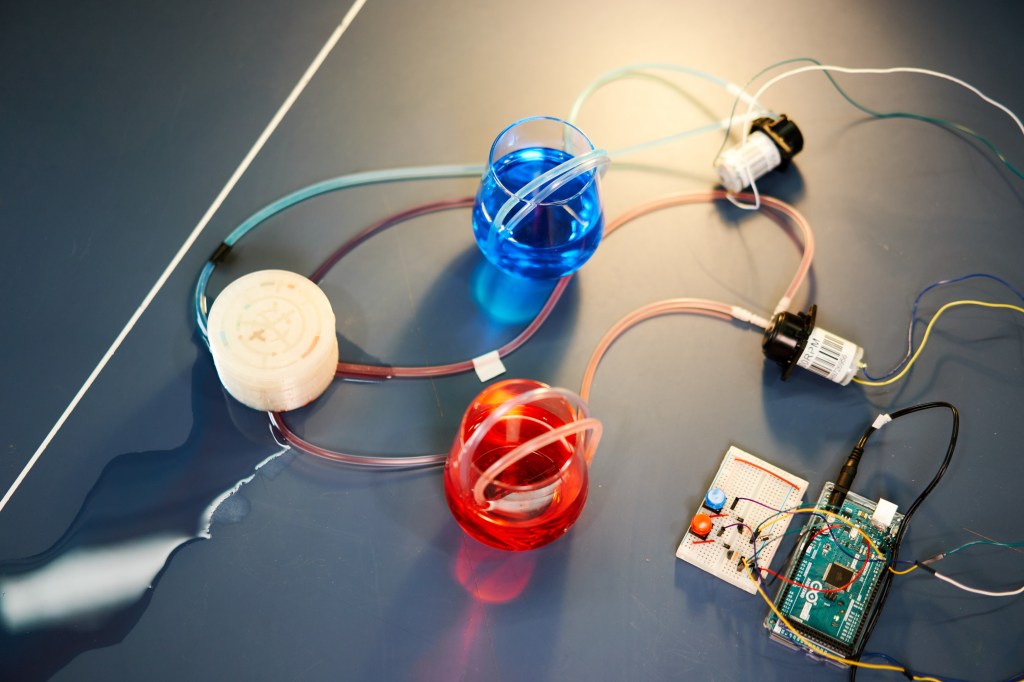
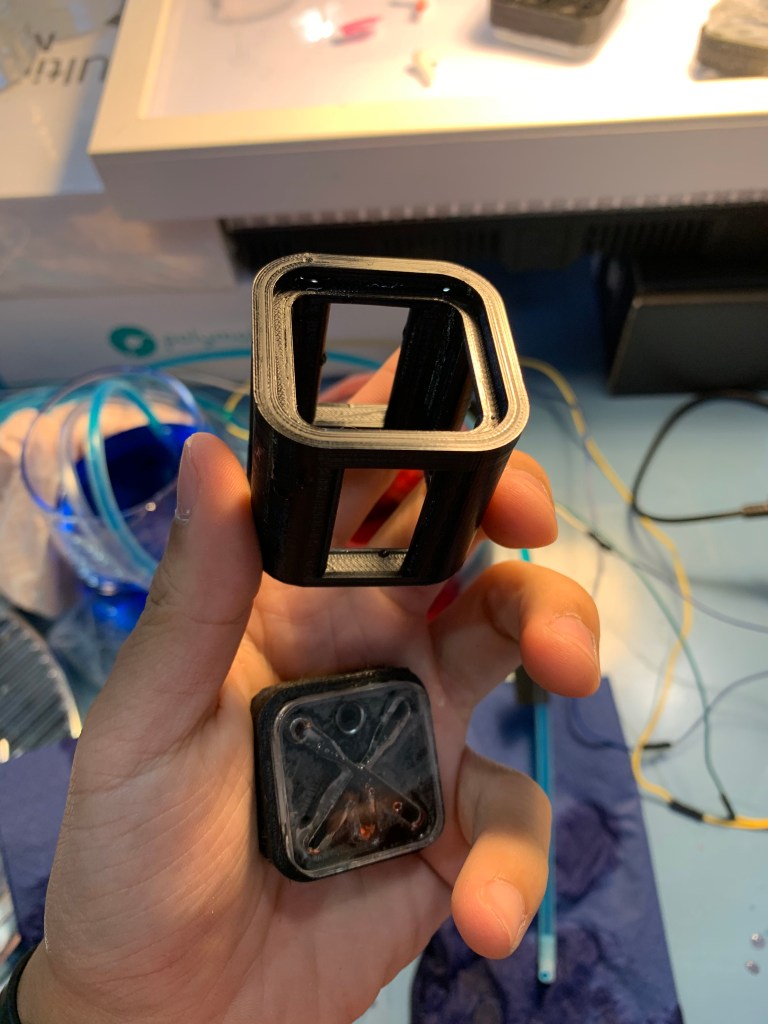
We describe the Logic Bonbon, a dessert that can hydrodynamically regulate its flavor via a fluidic logic system. Through a study of experiencing the Logic Bonbon and reflection on our design practice, we offer a provisional account of how food as computational artifact can mediate new interactions through a novel approach to food-computation integration, that promotes an enriched future of Human-Food Interaction.
What I did:
- Participated in the idea generation process with lateral thinking
- Conducted literature review on fluidic logic gates
- Designed fluidic logic gates (CAD) incorporating game design
- Produced rapid prototypes and made improvements through iterative design
- Trained research assistant colleague to operate machinery to produce prototypes
- Designed and manufactured food moulds for fluidic logic gates
This project was successfully published as a long paper at CHI PLAY 2022 and presented at Dagstuhl Seminar 2022 in Germany, CHI Melbourne 2022, Monash University’s Open Day and other events and conferences.
Read our long paper here:
https://dl.acm.org/doi/10.1145/3491102.3501926
Skills
Engineering design
Electrical design
Signal processing
Machine learning
Control systems design
Sensors
Microcontrollers
Rapid prototyping
Computer aided design (CAD)
Parametric modelling
3D printing
Fused deposition modelling (FDM)
Stereolithography (SLA)
Laser cutting
Injection moulding
Autodesk Fusion 360
Autodesk EAGLE
SOLIDWORKS
Altium Designer
Adobe Creative Suite
Telecommunications
Information theory
Computer systems
Human computer interaction (HCI)
Industrial design
Pediatrics
Data analysis
Troubleshooting
Software documentation
LaTeX
Client relations
Communication
Teamwork
Report writing
Presentation
Programming
MATLAB
C and C++
Python
Microsoft Office


 Ryan Wee